


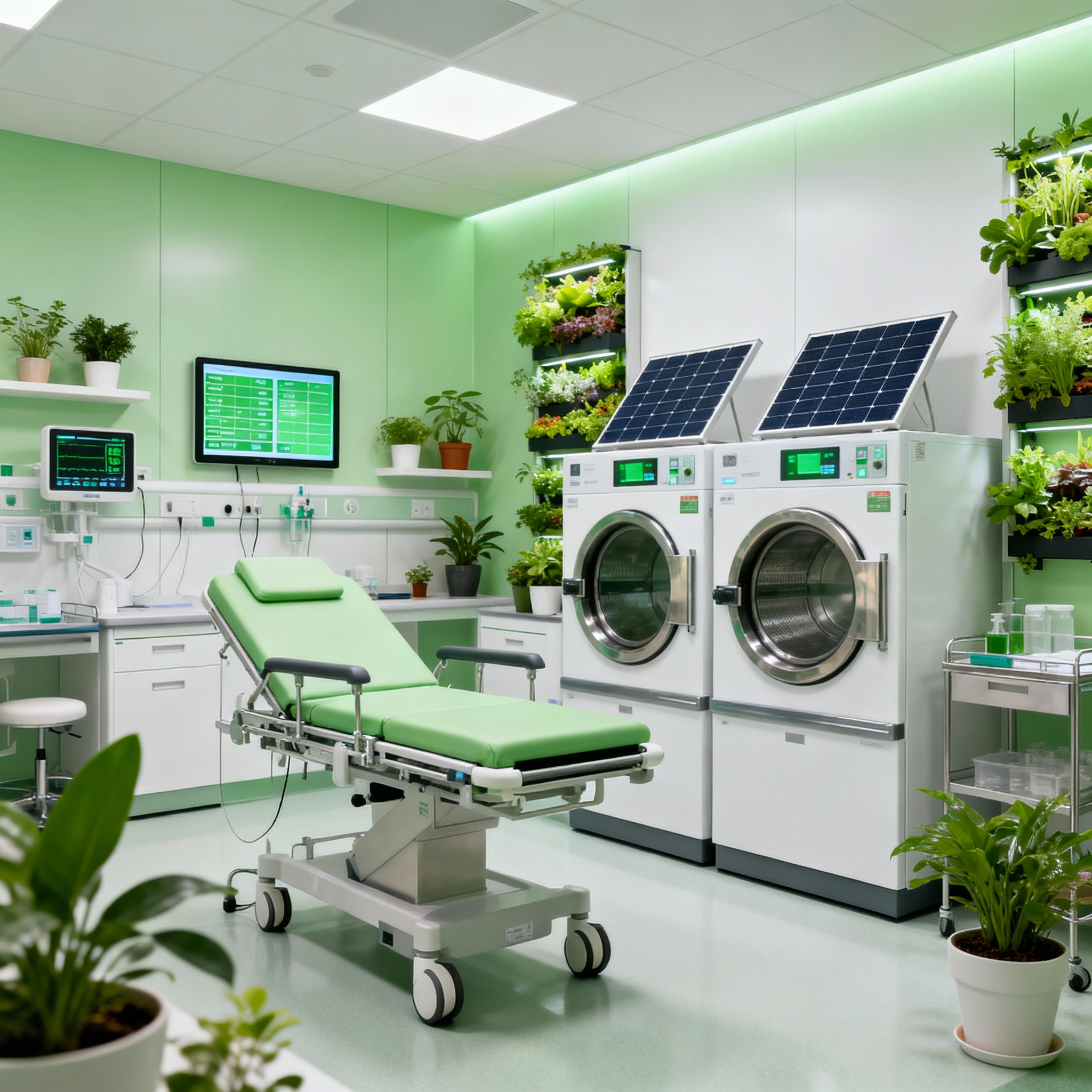
With the rising awareness of environmental sustainability, healthcare facilities in the Klang Valley are turning to eco-friendly sterilisation solutions. Traditional sterilisation methods often rely on chemicals and high energy consumption, leading to significant environmental impact. Modern, green sterilisation techniques offer effective ways to maintain hospital hygiene standards while reducing carbon footprints.
Why Eco-Friendly Sterilisation Matters
Hospitals generate large amounts of medical waste and utilize substantial resources to keep environments sterile. Chemical sterilants, like ethylene oxide and glutaraldehyde, can be hazardous to both human health and the ecosystem. Adopting greener alternatives not only helps protect natural resources, but also improves staff and patient safety.
Sustainable Sterilisation Methods
- Steam Sterilisation (Autoclaving): Uses high-pressure, high-temperature steam to kill microorganisms. No chemical residues, making it safer for both people and the environment. Energy-efficient models now available in the market.
- Hydrogen Peroxide Plasma Systems: Employs low-temperature hydrogen peroxide vapour that decomposes into water and oxygen. Minimizes harmful emissions and does not generate toxic by-products.
- Ozone Sterilisation: Ozone, a naturally occurring molecule, is used to disinfect equipment and surfaces. Effective against bacteria, viruses, and fungi without leaving toxic residues.
- UV-C Light Disinfection: Utilizes ultraviolet light to deactivate pathogens on surfaces in seconds. No use of chemicals and minimal maintenance required.
Implementation in Klang Valley Hospitals
Several Klang Valley hospitals are already introducing green sterilisation systems as part of their environmental management initiatives. By upgrading to energy-efficient autoclaves, replacing harsh chemicals with hydrogen peroxide-based methods, and adopting UV-C disinfection for high-traffic areas, these hospitals are setting new benchmarks for healthcare sustainability in Malaysia.
Benefits Beyond the Environment
- Improved indoor air quality for staff and patients
- Reduced operational costs through lower energy and chemical use
- Safer working environments for healthcare employees
- Enhanced reputation for hospitals committed to sustainable practices
Conclusion
Eco-friendly sterilisation is no longer just an option—it’s an essential component of responsible hospital management in the Klang Valley. By embracing energy-efficient technologies and non-toxic methods, healthcare facilities can ensure the highest standard of patient safety while contributing positively to the environment.